Skip to Content
 BACK TO ALL REFERENCES

PROSPER: Bio-based plastics to foster circular economy

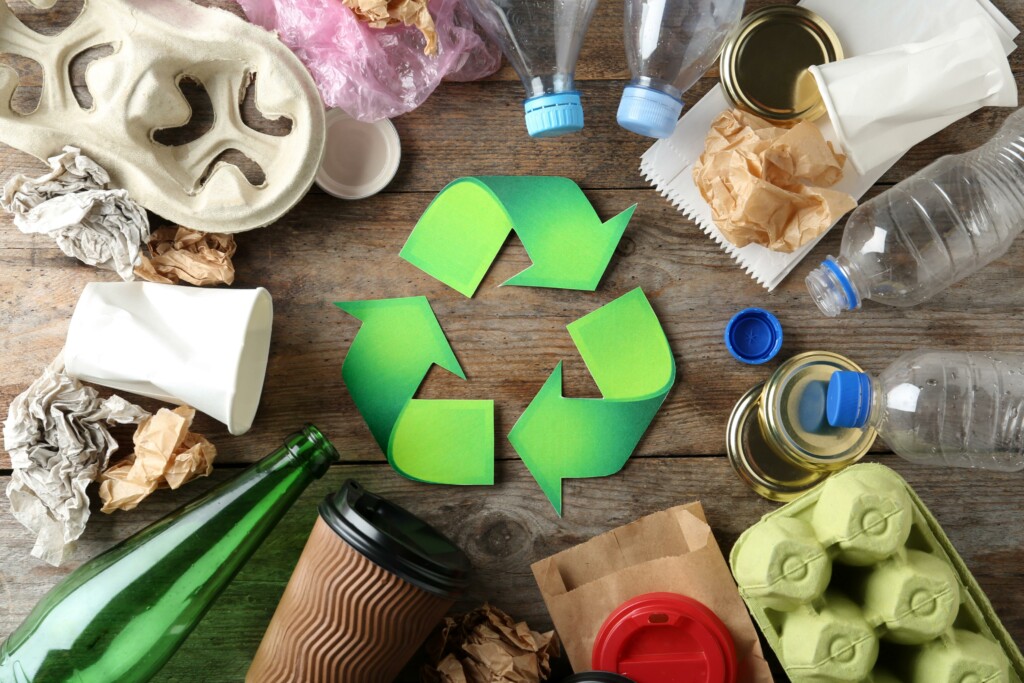
The 4-year PROSPER project, standing for "Promoting and Supporting Practices for Eco Recycling," targets the effective sorting and recycling of bio-based plastics to foster a circular economy.
PROSPER: Bio-based plastics to foster circular economy
€7.5 m


in funding

4 


years

18


partners 

6


countries 

Key numbers

About the project


Many people consider bio-based plastics as a green alternative to conventional fossil-based plastics. These plastics can offer environmental benefits, such as being made from renewable sources and sometimes being able to break down naturally. They also have a lot of promise for recycling, especially by using chemical methods to break them down into smaller units. However, before bio-based plastics can be recycled, they need to be sorted out and separated from other packaging materials, and PROSPER project coordinated by University of Ghent tackles this challenge.


Impact of the project:

Effective sorting and recycling of bio-based plastics to foster circular econom


  Funding instrument     Circular Bio-based Europe (CBE)  


Spinverse’s role


In addition to funding proposal preparation, Spinverse helped consortium with the ideation, provided subject matter expertise, identified suitable partners and implemented effective project management practises, all resulting to the success of the project proposal. Spinverse also helped to assemble a strong consortium, including the crucial participation of waste management companies. 


Spinverse played a key role in ensuring a high overall quality and perfect fit of the project proposal to exactly meet the criteria of this CBE funding call. In addition, our fruitful and successful collaboration resulted in maximum scores of 15/15 in the evaluation process​.

Nathan de Geyter, Business Developer End-of-Waste, Ghent University

  Supporting the UN Sustainable Development Goals​
About the project


The vision of the GlyCO2Chem project is to demonstrate a fully integrated, energy-efficient process that captures CO₂ from a variety of sources such as biogas plants and even directly from the air, and couple it with leftover glycerol from biodiesel production. The result is glycerol carbonate, a safer and more sustainable alternative to fossil-based chemicals. 


Impact of the project:

This process reduces emissions and creates valuable products for the energy storage and transportation sectors, such as greener battery electrolytes and fuel additives. By validating the entire value chain from CO₂ capture to end-use, GlyCO2Chem aims for large-scale industrial adoption.

  Funding instrument      CETP under Horizon Europe 


Spinverse’s role


Spinverse played a key role in bringing the GlyCO2Chem project to life, supporting everything from early concept development to building the right consortium and writing the successful project proposal together with the consortium. Spinverse experts in sustainable chemistry, carbon capture and public funding worked closely with the consortium to ensure that the project’s vision, impact and execution plan stood out in the competitive CETP funding call. 


We were impressed by Spinverse’s ability to understand our technology and connect us with the ideal partners across Europe. Their structured approach and deep knowledge of public funding made all the difference in preparing a successful proposal​.

Ásgeir Ívarsson, CEO and Founder Gefn​

  Supporting the UN Sustainable Development Goals​

We share what we learn


Read our latest news on our references

Your Dynamic Snippet will be displayed here... This message is displayed because you did not provide both a filter and a template to use.
Circular Bio-based Europe (CBE)Funding proposal preparation Circular economy